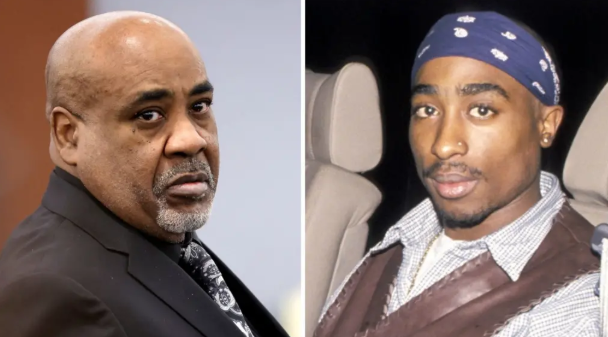
The Tupac Shakur murder verdict has brought a historic development in one of the most famous unsolved killings in American music history.
A Las Vegas jury convicted Duane “Keffe D” Davis of first-degree murder with a deadly weapon in connection with the 1996 drive-by shooting that killed Shakur.
The verdict came nearly three decades after the influential rapper was fatally shot near the Las Vegas Strip.
Tupac Shakur Murder Verdict Ends Decades-Long Wait
Jurors reached their decision after roughly three hours of deliberations following an 11-day trial, according to Reuters.
Davis, 63, was the only person ever criminally charged in Shakur’s killing.
Prosecutors did not contend that Davis personally fired the shots. Instead, they argued that he organized and facilitated the attack, making him criminally responsible under Nevada law.
The conviction represents a remarkable conclusion to a case that generated decades of investigations, speculation and conspiracy theories.
What Happened to Tupac Shakur?
Shakur was riding in a BMW with Death Row Records executive Marion “Suge” Knight in Las Vegas on September 7, 1996, when another vehicle pulled alongside them and gunfire erupted.
The 25-year-old rapper was struck multiple times.
He died six days later.
The killing occurred after Shakur and members of his entourage had been involved in a confrontation at the MGM Grand with Orlando Anderson, Davis’ nephew. Prosecutors argued that the shooting was carried out in retaliation for that altercation.
Davis’ Own Statements Became Important Evidence
A striking aspect of the case was Davis’ history of publicly discussing events surrounding Shakur’s death.
Over the years, Davis spoke about the shooting in interviews and wrote about it in his 2019 memoir.
Prosecutors used recordings of his previous statements as part of their case.
His defense attempted to turn those statements against the prosecution, arguing that Davis had exaggerated or fabricated elements of his story for attention and financial benefit.
Jurors ultimately rejected the defense’s argument and returned a guilty verdict.
Why Davis Could Be Convicted Without Being the Shooter
One question surrounding the case has been how Davis could face a murder conviction when prosecutors did not accuse him of pulling the trigger.
Under Nevada law, a person can be held criminally responsible for a murder when prosecutors prove that the individual intentionally helped facilitate the crime.
Prosecutors argued that Davis provided the weapon and helped orchestrate the retaliation that culminated in Shakur’s shooting.
That theory became central to the government’s case.
What Happens to Duane Davis Next?
Davis now faces the possibility of spending the remainder of his life in prison.
Reuters reports that his sentencing is scheduled for October 13 and that he faces a potential sentence of life without parole. His defense plans to appeal the conviction.
That means the legal battle may not be completely finished despite the jury’s verdict.
A Major Moment in Hip-Hop History
Shakur’s death became much more than an unsolved criminal case.
He was one of the defining artists of 1990s hip-hop, and his killing became intertwined with the highly publicized rivalry between rap scenes on the East and West coasts.
His music and cultural influence continued growing after his death.
For fans who followed the case for decades, the conviction provides an answer to an important legal question: whether anyone would ever be held criminally accountable for Shakur’s killing.
But it does not necessarily answer every question surrounding what happened that night.
AP reported that the verdict has brought a measure of accountability while debate remains over whether it provides complete closure to a mystery that has occupied hip-hop culture for nearly 30 years.
Sources
Reuters — Jury finds Duane Davis guilty in Tupac Shakur killing
Associated Press — Tupac Shakur murder case and verdict